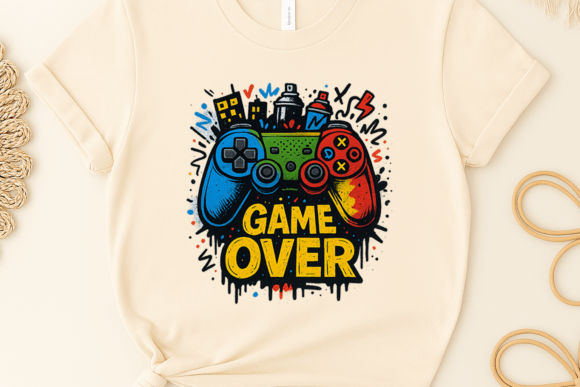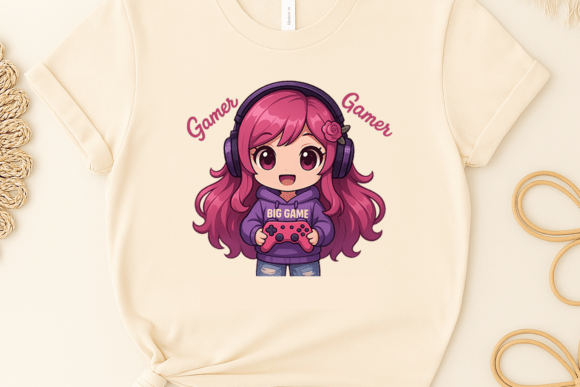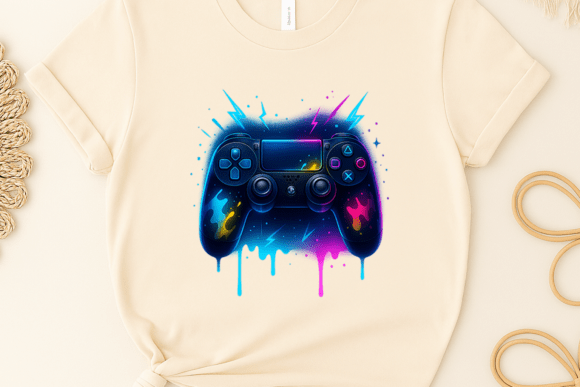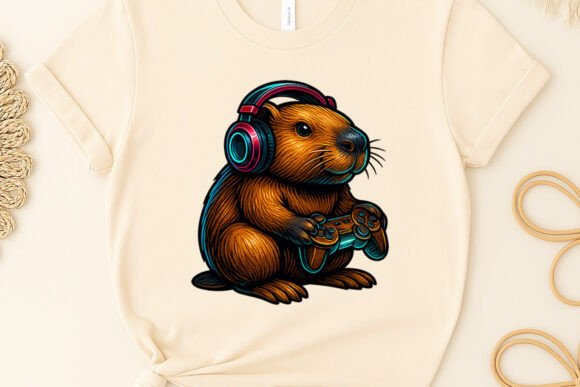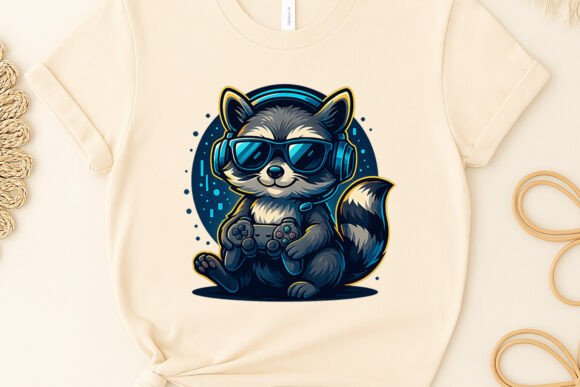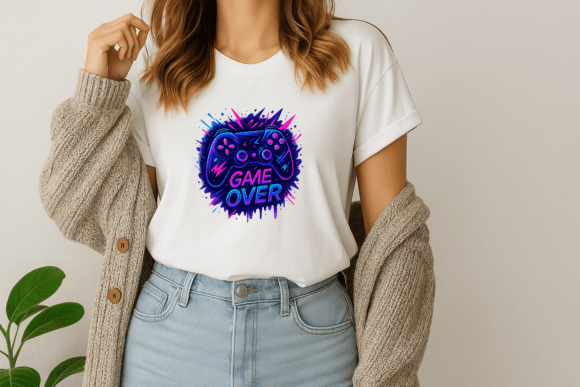
Game over Gaming Sublimation Clipart Art
When you work with print-on-demand, custom apparel, or digital crafting, the difference between a polished product and one that feels flat often comes down to the quality of your source assets. Game over Gaming Sublimation Clipart Art is a ready-to-use PNG file designed for sublimation transfer onto t-shirts, mugs, bags, stickers, cards, and home decor items. It arrives as a high-resolution file with a transparent background, so you can place it directly into your design software without additional cleanup. For anyone building a small creative business, managing a side hustle, or producing custom gifts for clients, having a crisp, HD clipart file that works immediately saves time and reduces friction in your production pipeline.
This particular asset reflects a gaming-themed aesthetic that resonates with a wide audience—from casual players to esports fans. The design cues, typography, and visual language are built around the idea of a finished game session, making it suitable for both playful and polished projects. Whether you are preparing a one-off item for a friend or scaling a product line for an online store, the file format and resolution allow you to work at a professional level without needing to start from scratch.
Where Game Over Gaming Sublimation Clipart Fits in Your Workflow
Integrating a pre-made clipart asset into your creative process is not just about dropping an image onto a blank canvas. It is about understanding where that asset adds value before, during, and after your primary production steps.
Before the Project: Planning and Asset Preparation
When you are in the planning phase, you need to evaluate whether a clipart file aligns with your intended product, platform, and audience. Game over Gaming Sublimation Clipart Art arrives as a single PNG file with a transparent background and HD resolution. Before you begin designing, consider the following:
- File inspection: Open the PNG in your preferred software (Adobe Photoshop, Affinity Designer, GIMP, or Canva) and verify the resolution against your output medium. For sublimation, a minimum of 300 DPI is standard for apparel, and this file meets that threshold.
- Color palette check: Review the colors present in the clipart relative to your substrate. Sublimation prints on light or white polyester-based materials yield the most vibrant results. If you plan to print on darker fabrics, you may need to place the design on a white base layer or adjust your workflow accordingly.
- Usage rights: Confirm that the license covers your intended use. This file is labeled for personal and commercial projects, which means you can sell finished products without additional licensing fees, provided you do not redistribute the raw digital file.
By checking these factors before you begin, you avoid mid-project delays and ensure the asset fits naturally into your existing preparation routine.
During the Project: Design and Production
Once you move into the active design phase, the PNG file with a transparent background becomes a flexible element that layers cleanly over other graphics, backgrounds, or text. Here is how it interacts with common tools and methods:
- Layering in design software: The transparent background means you can place the clipart above a gradient, a pattern, or a solid color without needing to mask or cut out the image. This saves several minutes per design and eliminates the risk of white halos around the edges.
- Resizing without quality loss: Because the file is HD and created at a generous resolution, you can scale it down for a small charm or up for a full-size t-shirt back print without pixelation. Always keep a copy of the original file and work on duplicates when scaling.
- Combining with text and other elements: If you are producing a t-shirt that includes a quote, a username, or a team name, the clipart can serve as the visual anchor. Place it off-center or use it as a background watermark effect for a more modern look.
- Print preparation: For sublimation, mirror the image horizontally before printing onto transfer paper. The clipart does not include text that would read backwards, so mirroring is straightforward, but it is a step worth building into your checklist.
During production, consistency matters. Keep a master folder of all your clipart assets with standardized naming conventions (e.g., GameOver_Gaming_01.png) so you can locate files quickly when you are in a batch production run.
After the Project: Quality Control and Delivery
After pressing or printing your final product, evaluate the outcome against your original plan. The HD resolution of Game over Gaming Sublimation Clipart Art should result in sharp edges, clear details, and no blurring. If you notice color shifts during sublimation, adjust your printer profile or time and temperature settings for future runs. Because the file is a digital download, you can reuse it across multiple projects, making it a reusable asset rather than a one-time expense.
For those who sell products online, consistency across your catalog builds brand recognition. Using the same clipart family across different items (t-shirts, mugs, stickers) creates a cohesive look that customers recognize. Track which designs sell best and note any variations you made to the file for future reference.
Integration with Other Tools, Platforms, and Methods
A single PNG file does not exist in isolation. It interacts with your hardware, software, materials, and even your workflow habits. Here are practical considerations for smooth integration:
Software Compatibility
The PNG format is universally supported across design suites, online editors, and print drivers. Whether you use a professional tool like Adobe Illustrator or a browser-based platform like Canva, you can import the file without conversion issues. If your software uses layers and masks, keep the clipart on a separate layer so you can adjust opacity, apply blending modes, or add drop shadows without affecting the background.
Sublimation Printer and Paper Setup
Sublimation requires a dedicated printer with sublimation ink and special transfer paper. The clipart file works with any sublimation software that accepts PNG inputs. When setting up your print job, ensure your paper size matches your intended output. For large designs, tile the print across multiple sheets and align them carefully during pressing. For smaller items like coasters or keychains, the clipart can be scaled down and positioned with precision.
Batch Production and Efficiency
If you produce multiple items in a session, prepare a template file with the clipart already placed and sized. Save this as a project file in your software so you only need to change the product dimensions or color variations between runs. This reduces repetitive setup time and lowers the risk of errors from manual adjustments.
Practical Implementation Tips for Creators and Small Business Owners
Working with digital clipart effectively involves more than just pressing print. Below are actionable observations that can improve your results and streamline your routine.
- Test on scrap material first: Before pressing your final product, sublimate the clipart onto a small piece of the same fabric or surface. This verifies color accuracy, exposure time, and heat settings without wasting a full shirt or mug.
- Organize your digital library: Create subfolders by theme (gaming, holiday, abstract, etc.) and include metadata like resolution, file size, and whether the file has been tested. This is especially useful as your collection grows beyond a handful of assets.
- Back up your downloads: Digital purchases can be lost if a device fails or an account is inaccessible. Store your PNG files in at least two locations, such as an external drive and a cloud service.
- Consider sizing for different products: A design that fits perfectly on an adult t-shirt may be too large for a mug or too small for a tote bag. Save multiple sized versions of your clipart layout so you can quickly pull the right one for each order.
- Watch your margins: Sublimation prints can shift slightly during pressing, especially on curved surfaces like mugs. Leave a small safety margin around the clipart edges so that minor misalignment does not cut off important visual elements.
Usability and Organization in a Real Workflow
Let us walk through a typical scenario. You run a small print shop and receive an order for a custom gaming-themed t-shirt. You have a few designs in your library, and you decide to use Game over Gaming Sublimation Clipart Art as the main graphic. Here is how the process might unfold:
- Select the file: Browse to your gaming folder, locate the PNG, and drag it into your design software.
- Resize for the garment: The customer ordered a large t-shirt. You scale the clipart so the design sits 12 inches wide on the chest area. Because the file is HD, the detail remains sharp.
- Add customization: The customer wants their gamertag underneath the graphic. You add text in a complementary font, align it centrally, and group both elements.
- Mirror and print: You flip the entire design horizontally, print onto sublimation paper at 300 DPI, and verify that the colors match your proof.
- Press and deliver: After pressing at the correct time and temperature, you inspect the final shirt for even coverage, no ghosting, and sharp edges.
This entire sequence, from file selection to final inspection, takes under thirty minutes when your assets are organized and your equipment is calibrated. The clipart file itself is a small but critical component that eliminates the need to draw, trace, or purchase multiple assets for a single design.
Long-Term Use and Asset Sustainability
Because this is a digital instant download, you own the file permanently and can use it repeatedly across different projects and years. Over time, you may find that certain designs become signature elements of your brand. Keep a record of which clipart files you have used, on which products, and with which color variations. This documentation helps you avoid accidentally reusing the same design for the same customer or creating duplicate listings on your store.
As your skills evolve, you may also want to modify the clipart by adjusting colors, adding texture overlays, or combining it with other assets. Always work on a copy of the original file so that you retain the pristine version for future use. The transparent background and HD resolution give you room to experiment without degrading image quality.
Final Observations on Quality and Consistency
Game over Gaming Sublimation Clipart Art is not a magic solution that replaces good design judgment or proper production technique. It is a reliable building block that reduces the time between concept and finished product. When you integrate it thoughtfully into your planning, production, and quality control steps, it becomes a consistent element that supports your creative output rather than complicating it.
The most effective creators treat digital assets like tools in a workshop. They know which files work best for which materials, they maintain an organized library, and they test every new element before committing to a full production run. Whether you are making a single gift for a friend or scaling a product line for an online audience, this clipart file offers a clean, high-resolution starting point that fits naturally into a practical workflow.