Choosing a Red Gaming Background: What It Offers and When to Consider It
A gaming setup is more than just hardware and peripherals. The visual environment you create—including your desktop wallpaper, stream overlay, or monitor backdrop—plays a subtle but real role in how you experience your games. Among the many options available, the red gaming background has gained attention for its bold, energetic aesthetic. But is it the right choice for your specific needs? This article breaks down what a red gaming background actually offers, how it compares with other common choices, and the practical tradeoffs you should consider before making it part of your setup.
What Defines a Red Gaming Background
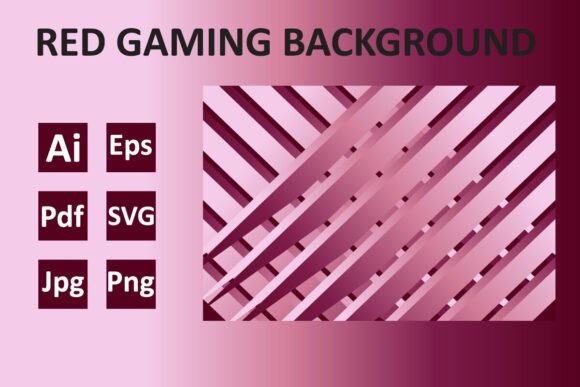
A red gaming background typically uses deep, fiery red tones, often combined with gradient effects, subtle textures, or pattern overlays to add depth. Unlike flat or simple color backgrounds, these designs aim to create a sense of immersion and intensity. The color red is associated with energy, passion, and competition—qualities that align well with fast-paced gaming sessions. Many versions incorporate dark shading or metallic-like gradients to avoid appearing flat, and some include abstract geometric patterns or subtle lighting effects to keep the visual interesting without becoming distracting.
What makes this style distinct is not just the color itself, but the way it interacts with your overall setup. A red gaming background can unify peripherals that feature red lighting, such as keyboards, mice, or case fans. It can also serve as a strong visual anchor in an otherwise neutral or dark room. For gamers who want their desktop to feel alive and engaging, the red gaming background offers a specific mood that more muted color schemes simply cannot replicate.
Comparing Red Gaming Backgrounds with Other Color Choices
When evaluating a red gaming background, it helps to understand how it stacks up against other popular options. Each color choice brings different strengths and tradeoffs.
Red vs. Blue Gaming Backgrounds
Blue is one of the most common alternatives. Blue tones are often described as calming and cool, which can help reduce visual fatigue during long sessions. A red gaming background, by contrast, leans into excitement and alertness. If you play competitive games that require quick reactions and high focus, red may help keep you mentally engaged. However, for extended play sessions, some users find red more fatiguing than blue. If you tend to game for several hours at a time, you might prefer a blue background during breaks or for slower-paced genres.
Red vs. Black or Dark Gaming Backgrounds
Black backgrounds are popular for their minimalist look and low distraction. They also help reduce screen glare and make other on-screen elements stand out more. A red gaming background offers more visual personality and can make your desktop icons, widgets, or streaming overlays pop in a different way. That said, if you use your computer for productivity or creative work in addition to gaming, a black background may be more versatile. The red gaming background tends to be more style-forward, which can feel out of place in a professional or multitasking context.
Red vs. RGB or Dynamic Backgrounds
Some gamers prefer animated or RGB-based backgrounds that shift colors over time. These can be exciting and highly customizable, but they also consume more system resources and can become distracting. A red gaming background is static and predictable. It sets a consistent mood without the visual noise of constant color changes. If you prefer a stable, reliable atmosphere while gaming, the red gaming background offers a simpler, more focused alternative.
Strengths of a Red Gaming Background
Several practical advantages make a red gaming background worth considering for certain setups and preferences.
- Energy and immersion: The red color scheme naturally evokes intensity, which can enhance the feeling of being inside a high-stakes game world. Action titles, shooters, racing games, and horror games often benefit from this psychological boost.
- Visual cohesion with red-lit peripherals: If your keyboard, mouse, or case already uses red LEDs, a red gaming background ties everything together. The unified color palette looks intentional and polished.
- Strong contrast for overlays: Streamers and content creators often find that a red background helps their camera feed, chat box, or alerts stand out clearly. The bold color provides a consistent backdrop that doesn't blend into game elements.
- Personal expression: For many gamers, their setup is an extension of their personality. A red gaming background is a deliberate choice that signals passion, competitiveness, and a love for bold design.
Tradeoffs and Limitations
No background choice is perfect for everyone. Understanding the potential downsides of a red gaming background helps you decide whether it truly fits your needs.
Visual Fatigue During Long Sessions
Red is a high-energy color that stimulates the eyes. For some users, prolonged exposure to a bright or saturated red background can lead to eye strain or a sense of visual tension. If you game for multiple hours without breaks, you may want to consider a darker or more neutral background, or at least use a red gaming background that includes darker gradients and softer edges to reduce harshness.
Limited Versatility for Non-Gaming Use
If your computer doubles as a work machine, a red gaming background may feel out of place during professional tasks. Red tones can make reading text documents, editing spreadsheets, or attending video calls feel less calm and focused. Some users solve this by using different wallpapers for different user profiles or by switching backgrounds manually when moving from work to gaming.
Not Ideal for All Game Genres
While red backgrounds complement action and competitive games, they may clash with calm, exploratory, or narrative-driven titles. Games with lush green landscapes, serene underwater scenes, or warm earth tones can feel visually mismatched against a red gaming background. In these cases, a neutral or scene-specific background might better support immersion.
Potential for Overstimulation
Some gamers find that a red gaming background raises their baseline arousal level too much, especially when combined with in-game red UI elements or red lighting. This can lead to a sense of restlessness rather than focused energy. If you are prone to anxiety or find yourself easily overstimulated, it may be wise to test a red background before committing.
When a Red Gaming Background Is the Right Choice
Based on its strengths and tradeoffs, a red gaming background tends to work best for specific scenarios.
- You primarily play fast-paced, competitive, or action-oriented genres such as first-person shooters, racing sims, fighting games, or horror titles.
- Your peripherals and case lighting already feature red tones, or you want to build a setup around a red color scheme.
- You stream or record content and need a bold, consistent background that helps your on-screen elements stand out.
- You are designing a dedicated gaming space that prioritizes energy and atmosphere over versatility or calm.
- You enjoy a visually cohesive setup and are willing to adjust your background depending on the task at hand.
When You Might Prefer an Alternative
In other situations, a different background option may serve you better. Consider alternatives if any of the following apply.
- You game for long stretches and are sensitive to eye strain or visual fatigue.
- Your computer is used equally for work and play, and you prefer a neutral or adaptable backdrop.
- You play a wide variety of game genres, including slower-paced or atmospheric titles where red could feel jarring.
- You prefer a minimalist, distraction-free environment with as little on-screen visual stimulation as possible.
- You already use RGB or dynamic backgrounds and find that a static red option feels too limited.
Practical Tips for Evaluating a Red Gaming Background
If you are considering a red gaming background, take these practical steps to see if it works for your specific setup.
- Test a sample before committing. Download a few red gaming background images and set them temporarily on your desktop. Spend a day or two gaming and doing regular tasks to see how it feels.
- Consider brightness and saturation. Not all red backgrounds are the same. Look for versions with darker tones, subtle gradients, or textured patterns that reduce glare and eye strain.
- Check compatibility with your monitor. Red backgrounds can look different on IPS, VA, TN, and OLED panels. A background that appears rich on one screen may look washed out or oversaturated on another.
- Match with your room lighting. Ambient light affects how a red background appears. Test it in both daytime and nighttime conditions to ensure it works in your actual gaming environment.
- Think about your overlay and icon layout. If you use desktop icons, widgets, or streaming overlays, make sure they are readable against a red background. Light-colored text and icons often work best.
Making an Informed Decision
A red gaming background is not a one-size-fits-all solution. It is a deliberate aesthetic choice that brings energy, cohesion, and personality to a gaming setup. For the right user and the right context, it can significantly enhance the gaming experience. For others, it may feel too intense, limited, or mismatched with their broader needs.
The best approach is to evaluate your own priorities. Think about the genres you play most, the length of your typical gaming sessions, how you use your computer beyond gaming, and the overall look you want to achieve. Compare the red gaming background with other options—blue, black, dynamic, or custom—and weigh the tradeoffs based on your actual usage patterns.
By approaching the decision thoughtfully, you can choose a background that genuinely supports your gaming experience rather than simply following a trend. Whether you ultimately decide on a red gaming background or an alternative, the key is understanding why it works for your setup and how it fits into your broader gaming environment.