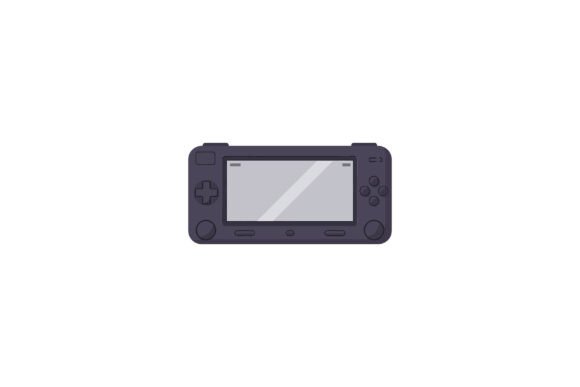
Handheld Gaming Console in Minimalistic Design
Handheld gaming has evolved far beyond the bulky, button-laden devices of the past. Today, a new aesthetic is emerging: the Handheld Gaming Console in Minimalistic design. This approach strips away unnecessary visual clutter, focusing on flat surfaces, clean lines, and a restrained color palette. At its core, a minimalistic handheld gaming console prioritizes function and form equally, offering a device that feels modern, intentional, and unobtrusive. Whether you are a dedicated gamer or a design enthusiast, understanding what this concept entails—and whether it aligns with your needs—requires a balanced look at its benefits, trade-offs, and practical considerations.
What Defines a Minimalistic Handheld Gaming Console?
A Handheld Gaming Console in Minimalistic design is characterized by several key visual and functional traits. The physical body typically uses a flat, slab-like profile with minimal protrusions. Buttons are often recessed or flush with the surface, and the screen dominates the front face when the device is active, but appears as a seamless dark panel when off. Materials tend toward matte finishes, and branding is subtle or absent. The downloadable ZIP containing SVG, EPS, JPG, and PNG files mentioned in many design repositories reflects this trend: these resources provide vectors and raster images that designers can use to prototype or showcase such a console without the distraction of excessive ornamentation.
This design language draws from broader minimalism in technology—think of modern smartphones or high-end audio equipment. The goal is to create a device that feels calm and focused, reducing visual noise so the user can concentrate on gameplay or the content on the screen. For many, this aesthetic signals sophistication and forward-thinking design.
Why Are People Interested in This Approach?
The appeal of a Handheld Gaming Console in Minimalistic style often goes beyond mere looks. Several practical and emotional reasons drive interest:
- Everyday carry integration: A flat, slim console slips into a pocket or bag more easily than one with grips, ridges, or protruding analog sticks. Minimalistic designs tend to be more portable.
- Durability and cleanliness: With fewer crevices and complex contours, a flat surface is easier to wipe clean and less likely to collect dirt. This can extend the device's usable life.
- Timelessness: Minimalistic aesthetics rarely look dated. A console designed this way can remain visually appealing years after release, unlike trend-driven designs that age quickly.
- Focus on screen quality: When the bezel and body recede into the background, the display becomes the hero. Gamers who value high-resolution screens and vibrant colors often appreciate this prioritization.
- Design inspiration for creators: The downloadable resources (SVG, EPS, JPG, PNG) allow designers, marketers, and enthusiasts to experiment with concepts before committing to hardware. They serve as a reference for evaluating proportions and layout without needing to manufacture.
Benefits of a Minimalistic Handheld Gaming Console
Choosing a handheld console built around minimalism can bring clear advantages, depending on your priorities.
- Ergonomic simplicity: While not universally comfortable for long sessions, a flat slab can be held in a variety of grips. Some users find it less fatiguing than a device that forces a specific hand position.
- Lower profile: Minimalistic designs often lack aggressive branding or flashy LEDs, making them less distracting in public or professional settings. You can game discreetly without drawing attention.
- Ease of customization: A clean, neutral base is a blank canvas. Many users enjoy applying skins, decals, or custom button layouts that would look cluttered on an already busy device.
- Potential cost savings: Simplified manufacturing—fewer parts, simpler molds, less finishing—can sometimes lead to lower retail prices, though this is not guaranteed and depends on other hardware components.
Trade-offs and Considerations
No design choice is without compromise. The minimalistic approach introduces several trade-offs that you should weigh carefully before making a decision.
- Ergonomics for extended play: A completely flat handheld may lack the contoured grips that reduce hand strain during marathon gaming sessions. For action-heavy or reflex-based games, a more sculpted body might be more comfortable. If you primarily play in short bursts or prefer turn-based titles, this may be less of an issue.
- Button and analog feedback: Recessed or flush buttons can feel less tactile than raised ones. Some gamers miss the clickiness or travel distance of traditional controls. The engineering of the buttons—dome switches, membrane contacts, or hall effect sensors—matters more than the visual style, but minimalism sometimes pairs with shallower inputs to maintain the slim profile.
- Heat dissipation: A thin, sealed metal or glass chassis can trap heat, especially if the console includes a powerful processor. Devices designed for high-end gaming may require vents or passive heat sinks that disrupt the clean surface. Minimalistic handhelds intended for less demanding emulation or retro gaming are less prone to this problem.
- Repairability: A seamless, glued-together shell that looks beautiful can be a nightmare to open for battery replacement or screen repair. If you value longevity and the ability to swap components, look for minimalistic consoles that still use screws or modular parts.
- Screen protection: A flush screen without a raised bezel is more vulnerable to cracks and scratches when placed face-down on a table. Some designs mitigate this with subtle raised edges or sturdy glass, but it is a consideration for clumsy handlers.
Scenarios Where a Minimalistic Handheld Excels
A Handheld Gaming Console in Minimalistic design is particularly well-suited to certain use cases and user profiles.
- Commuters and travelers: The slim form factor fits easily into a jacket pocket or a small bag. It is less likely to snag on fabrics or create a bulge. If you play mostly during transit or short breaks, the ergonomic trade-off is minimal.
- Retro gaming enthusiasts: Emulation of older consoles (Game Boy, NES, Mega Drive) does not require the latest SoC, so heat and power constraints are relaxed. This allows designers to focus on aesthetics without worrying about active cooling. Many devices in this space already adopt a minimalist look.
- Design-conscious users: If you value how your devices look alongside a laptop or a smartphone, a minimalistic handheld can be part of a cohesive aesthetic. It feels like a natural extension of modern consumer electronics.
- Content creators and streamers: A clean, unbranded device looks more professional in videos or photos. The downloadable SVG files in the ZIP can also be used to create mockups for overlays or promotional material, helping creators maintain a consistent visual identity.
When Alternatives Might Be a Better Fit
For some gamers and buyers, a minimalistic handheld is not the optimal choice. Consider these situations where a more traditional or specialized device may serve you better.
- Competitive or fast-paced gaming: Games that demand precise analog stick control or rapid button presses often benefit from a deeply contoured grip and raised, responsive buttons. Many enthusiast handhelds today feature ergonomic grips, triggers, and configurable paddles—features that are hard to achieve on a flat slab.
- Long gaming sessions: If you routinely play for 3+ hours at a stretch, you may develop discomfort from a flat edge pressing into your palms. Alternatives with ergonomic shaping (like the Steam Deck or Nintendo Switch in handheld mode with a grip attachment) are purpose-built for endurance.
- Need for modularity: Some gamers want to swap batteries, storage, or even motherboards. A minimalist design that is glued or snap-fitted tightly can be difficult to service. Devices with tool-free access or standardized components might be more practical.
- Budget constraints: While minimalism can sometimes reduce costs, the opposite is also true. High-end materials like anodized aluminum, glass, or precision-milled plastic raise the price. A functional but less beautiful device from a well-known brand may offer better specs for the same money.
- Preference for tactile feedback: If you love mechanical switches on a keyboard, you will likely miss defined tactile feedback on a handheld. Consoles with rubber dome or membrane buttons can feel mushy. A traditional gaming handheld with domed, spring-loaded buttons might be more satisfying.
How to Evaluate Whether It Aligns With Your Goals
Choosing a Handheld Gaming Console in Minimalistic design—or avoiding one—should be based on your specific needs and usage patterns. Here are practical steps to guide your decision:
- Assess your gaming habits: How long are your typical sessions? What genres do you play most? If you lean toward puzzle, strategy, or slower-paced adventure games, minimalism is likely a non-issue. If you play action titles or first-person shooters, try to test the device in-hand before committing.
- Consider your environment: Do you often game in a bag, on a crowded train, or at a desk? A sleek profile pays dividends in portability and discretion. At home, ergonomics may matter more.
- Evaluate repairability publicly: Look up teardown reviews. A beautiful device that is impossible to repair can become e-waste sooner than a uglier but serviceable one. The downloadable design files (SVG, EPS) from the ZIP can help you understand the layout, but cannot tell you about internal construction.
- Match aesthetics to your toolkit: If you are a designer or a creator, the console's minimalist form might double as inspiration for your own projects. Using the included PNG and JPG renders, you can overlay game UI mockups or compare it with other devices before buying.
- Balance cost and features: Never assume minimalism means cheap. Compare the actual specifications—processor, RAM, screen resolution, battery capacity, control quality—against similarly priced alternatives, regardless of how they look. A minimalist shell does not compensate for poor performance.
Conclusion: A Thoughtful Choice, Not a Universal Solution
The Handheld Gaming Console in Minimalistic design represents a compelling intersection of modern aesthetics and portable gaming. It offers genuine benefits in portability, cleanliness, and visual timelessness. However, it also introduces real trade-offs in ergonomics, repairability, and tactile feedback. For the right user—someone who values form as much as function, plays in short or moderate sessions, and appreciates a device that fades into the background—this design can be an excellent fit. For others who prioritize performance comfort or modularity, a more traditional handheld may serve better. The resources in the downloadable ZIP (SVG, EPS, JPG, PNG) provide a tangible way to explore the concept before making a purchase or starting a design project. Ultimately, the best choice depends on aligning the device's physical and aesthetic qualities with your personal gaming lifestyle, not on trends alone.