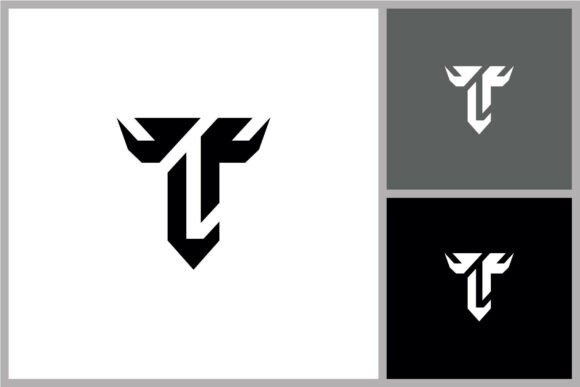
Sharp Letter T Logo for Sport and Gaming Designs
What Exactly Is a Sharp Letter T Logo?
A sharp letter T logo is exactly what it sounds like: a logo built around the letter T, designed with crisp angles, bold lines, and a distinctly modern edge. Unlike rounded or script letterforms, sharp logos use straight cuts, pointed terminals, and geometric precision to communicate speed, strength, and focus. When you see one, it feels aggressive yet controlled, which is why it fits so naturally into sport and gaming environments.
These logos are typically delivered as vector files, meaning they're built from mathematical paths rather than pixels. Formats like AI, EPS, SVG, and JPG are standard, with EPS and AI being the most flexible for customization. The EPS 10 100 vector specification ensures compatibility across different versions of Adobe Illustrator, so you can open the file, tweak colors, adjust curves, or remove unwanted text without losing quality. The SVG version gives you a web-ready option that scales perfectly on any screen, while the JPG serves as a quick preview or placeholder.
Why Sharp Letter T Logos Resonate in Sport and Gaming
Think about the brands and teams you associate with high-energy activities. Esports organizations, athletic apparel companies, and competitive gaming teams almost never use soft, decorative fonts. They go for bold, angular, and memorable marks. The letter T itself is structurally strong, with a horizontal bar and vertical stem that offer natural opportunities for dynamic shapes. A sharp T can suggest a trophy, a blade, a wing, or a forward-moving arrow.
The appeal goes beyond aesthetics. A sharp T logo signals professionalism and readiness. If you're launching a gaming channel, a local sports league, or a fitness brand, you want people to take you seriously from the first glance. A well-executed logo communicates that you've put thought into your identity. It also scales well across different mediums, from a tiny social media avatar to a large banner at a tournament venue.
Who Benefits From This Type of Logo
The audience for a sharp letter T logo is broader than you might expect. Yes, it's ideal for gaming teams and sports clubs, but it also works for personal brands, small businesses, and creative projects. Here are a few groups who find real value in it:
- Freelancers and content creators who want a memorable channel logo or streaming overlay mark
- Entrepreneurs launching a sportswear line, a gym, or an outdoor gear company
- Esports managers and team leads needing a clean, editable logo for merchandise and social media
- Hobbyists and educators running community leagues, camps, or after-school programs
- Marketers and bloggers covering sports, fitness, or gaming content
In each case, the common need is a logo that looks intentional and works immediately without requiring expensive design software skills or a long creative process.
For Branding and Identity
Your logo sits at the center of your visual identity. A sharp T can appear on uniforms, caps, water bottles, and gaming peripherals. Because it's a single letter with a strong silhouette, it's easy to embroider, print, or engrave. It also pairs naturally with bold typography for team names or taglines.
For Digital Platforms
Streamers and content creators can use the SVG version for overlays, Twitch panels, YouTube banners, and Discord servers. Since SVGs scale infinitely, your logo stays crisp on a 4K stream as well as on a mobile screen. The AI and EPS versions allow further tweaking to match your color palette or add effects like gradients and shadows.
For Merchandise
If you plan to sell T-shirts, hoodies, or stickers, a vector logo is essential. Print shops usually request EPS or AI files for screen printing, and having a sharp, clean vector file means you avoid fuzzy edges or pixelation. The fact that you can remove unwanted text or reposition elements within the file gives you full control before sending it to production.
For Event and Promotional Materials
Tournament banners, flyers, posters, and social media graphics all benefit from a logo that commands attention. A sharp T placed prominently communicates energy and competitiveness. You can also resize it without worrying about resolution, which is especially helpful when designing for different print sizes.
What You Can Do With the File
One of the biggest advantages of receiving a logo in editable vector formats is the freedom to customize it. The product description explicitly states that you can change colors, remove unwanted text, edit curve paths, add or remove elements, and resize or reposition anything. This means you're not stuck with a generic design. Even if you have no experience with vector editing, opening the EPS file in Adobe Illustrator gives you a straightforward workspace where you can experiment.
For beginners, start simple. Change the color to match your brand palette. Adjust the thickness of the strokes to make the logo bold or sleek. If the design includes background shapes or decorative lines, try removing them for a cleaner look. More advanced users can tweak the anchor points to create a completely new silhouette while keeping the T structure intact.
The SVG file is equally useful if you work with web design or digital tools. You can open it in a browser, copy the code directly, or import it into platforms like Canva, Figma, or Sketch. This flexibility means you're not locked into one software ecosystem.
As a side note, the JPG version is included for quick reference, but it's not meant for final use if you need scaling or transparency. Always fall back on the vector files for professional output.
Non-Editable Text in the File
The product notes that there is non-editable text included. This usually refers to placeholder text, credits, or licensing info embedded in the file. Before you start customizing, locate this text and decide whether to hide, delete, or cover it. In Illustrator, you can use the Layers panel to lock or remove it. If you're not comfortable doing this yourself, any basic tutorial on layer management will walk you through it.
Software Compatibility
To get the most out of the AI and EPS files, you need vector editing software. Adobe Illustrator is the industry standard, but other programs like Affinity Designer, Inkscape (free), or CorelDRAW can open EPS files as well. If you don't have access to these, the SVG version is your best bet because it can be used in many free or low-cost tools.
Licensing and Usage Rights
Always review the license terms that come with your purchase. Most commercial-use licenses allow you to use the logo for branding, merchandise, and marketing. However, reselling the raw file as your own design is typically not allowed. If you have questions, the product page encourages you to contact the seller directly. It's a good habit to clarify these details early so you avoid issues later.
Iteration Takes Time
Even with a ready-made vector file, creating a polished final logo might take a few rounds of tweaking. Don't expect the first color swap to be perfect. Adjust the curves, test different arrangements, and get feedback from teammates or customers. The flexibility of the file is meant to support iteration, not replace it.
Getting Started: A Simple Workflow
If you're new to working with vector logos, here's a no-pressure approach to get comfortable:
- Download the file package and locate the EPS file. Right-click and open it with Adobe Illustrator or your preferred vector tool.
- Look at the Layers panel to understand how the logo is built. Identify the T shape, any background elements, and the non-editable text layer.
- Start by changing the primary color. Select the T shape and pick a color that resonates with your brand or team identity.
- Remove or hide the text layer unless it's part of the design you want to keep.
- Resize the logo for different applications. Export a large version for print and a smaller version for web.
- Save your work in AI format for future edits, then export as SVG for web use or as PNG for quick sharing.
This simple process gives you a usable logo in under thirty minutes, and the more you experiment, the more you'll discover what works best for your specific context.
Why This Format Matters
The combination of AI, EPS 10 100 vector, SVG, and JPG covers nearly every scenario you'll encounter. AI is the native Adobe format, giving you full editability. EPS is a universal vector format that older and newer software can open. SVG is the modern web standard, and JPG is the universal fallback. Having all four means you don't need to hunt down converters or worry about compatibility when a client or printer asks for a specific file type. It's a practical, thoughtful bundle that saves time and reduces friction.
Final Thoughts
A sharp letter T logo for sport and gaming is more than a typographic decoration. It's a foundation for your visual identity that communicates energy, focus, and professionalism. Whether you're a solo streamer, a small business owner, or a team organizer, having a customizable vector file gives you the power to build a brand without starting from scratch. Take advantage of the editable formats, experiment with the design, and don't hesitate to reach out to the seller if you have questions. With a little effort, you'll have a logo that feels uniquely yours and ready to represent you across every platform.